
The short answer
Yes, spray foam can be removed from a roof. It is cut and scraped away from the rafters, battens and underside of the covering, and the effort needed turns on which foam it is and how firmly it grips. DESNZ tells owners to get advice from a specialist surveyor before deciding.
Yes, and this is how it comes out
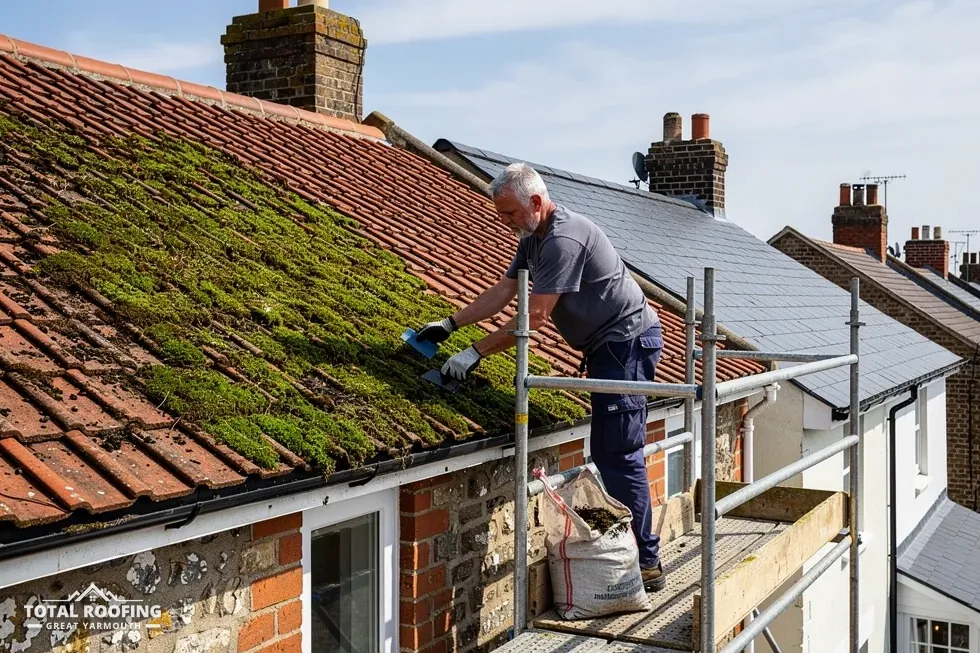
Spray foam goes on wet and sets hard against whatever it touches, so it takes the shape of the roof underneath. In a pitched roof that means the rafters, the back of the tiles or slates, the battens and sometimes the underlay. Taking it out means working it free from each of those surfaces, section by section, with hand tools and powered cutters, then carrying the waste out of the roof space.
Two things set the effort. One is the foam itself: open-cell foam stays soft and springy, while closed-cell foam sets as a dense board. Our page on open-cell and closed-cell spray foam covers the difference. The other is the way it was sprayed. A thin coat over rafters peels away differently from foam that has squeezed into the gaps between tiles and battens and set there.
This is not a job for a weekend with a scraper. DESNZ warns that improper removal "could lead to further issues", so the roof should be looked at before anyone starts cutting, and an offer made on your doorstep deserves doubt.
What the bare timbers show
A good part of the case for removal is that foam hides the structure. RICS puts it this way: if the timber roof structure is covered, it "cannot be fully seen or inspected". With the foam gone, the roof can be examined in full for the first time since it was sprayed.
A survey of the open roof looks at:
- rafters and battens, for damp, staining and soft wood;
- the underlay, for tears and for holes where foam was forced through;
- the tiles or slates, for slipped, cracked or missing pieces;
- lead at the chimney and in valleys, for gaps;
- the air paths at the eaves and the ridge.
What turns up decides what comes next. Sound timber may need only fresh insulation. A soft rafter, a torn underlay or a worn covering calls for repair or a re-roof, and the page on the condition of timber beneath spray foam goes through what that can involve for the repair and for the budget once the old foam is out and the wood can be probed.
Removal, lenders and the official wording
Mortgage lenders enter the picture, and the official wording is careful. In March 2023 RICS reported "concern within specific sectors of the lending market, such as equity release mortgages". The government's policy paper from DESNZ, published on 22 October 2026, then said: "Many mortgage providers are open to lending on properties with spray foam, subject to their own requirements."
That paper adds that removal "will not always guarantee that they will still lend". The Energy Saving Trust, last updated on 5 November 2026, says that foam "doesn't automatically prevent you from getting a mortgage, but some lenders may ask for extra checks".
Read together, those lines do not say removal solves a mortgage problem, and they do not say every roof must lose its foam. They say the lender's own requirements govern. So the lender's position comes first: put the question to your lender in writing before any money is spent on removal, and keep the reply with your papers.
What to settle before you book removal
Take these steps in this order:
- Ask a specialist surveyor for advice, which DESNZ recommends before any decision about your foam.
- Put the lender's policy to your lender, whatever your plans for the house.
- Have the roof surveyed, to learn what the foam covers and what the open roof will need.
- Check that each written quote you receive names the whole job.
Before pricing, Total Roofing Great Yarmouth surveys the roof as a whole and reports what else we spot while we are up there. What follows is one written total price covering the work. If you would rather begin at a distance, photos of the loft and the roof slopes can go by WhatsApp to 07880 284133, and we will look at them.
Our hub page on spray foam insulation removal sets out the full service, and the spray foam removal cost page gives published price guides with their dates.
